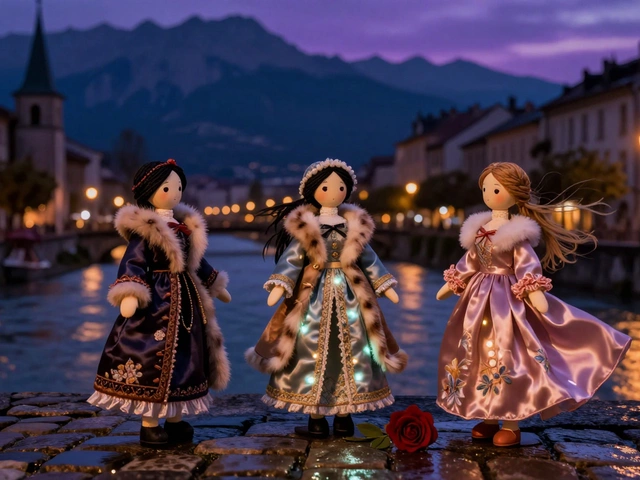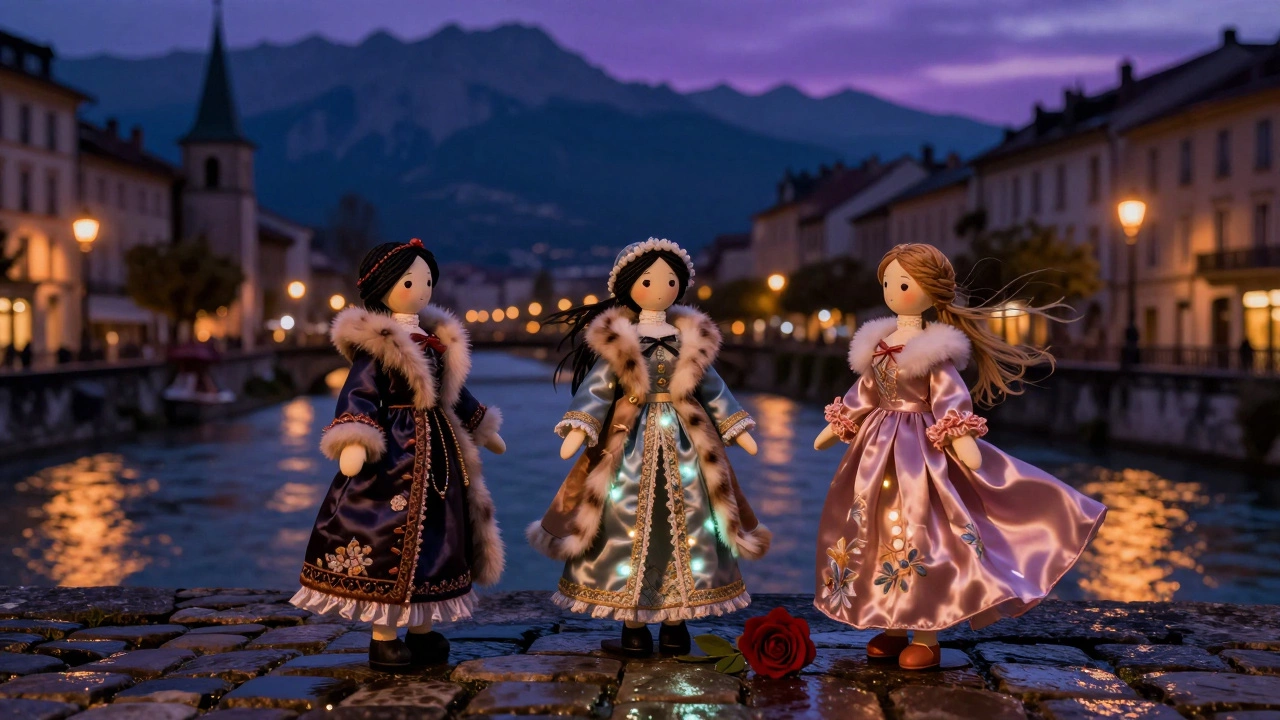
There’s something electric about Grenoble at night. The Alps loom in the distance, their peaks catching the last glow of sunset, while the city below wakes up. Streets hum with laughter, music spills from hidden bars, and the crisp mountain air carries the scent of roasted chestnuts and wet pavement. It’s in this atmosphere that the city’s most unusual attraction emerges-not a concert, not a festival, but the quiet, elegant presence of escort dolls lining the quays near Place Grenette. These aren’t just mannequins. They’re curated experiences, dressed in silk and satin, posed to catch the breeze and the gaze of passersby. People stop. They take photos. Some whisper. Others just stand there, breathing it all in.
If you’ve ever wondered what it feels like to walk through a scene straight out of a surreal film, this is it. The dolls, crafted by local artists and funded by independent collectives, appear only during the winter months, from late November to early March. They’re not for sale. Not for touch. Not even for conversation. They’re there to be felt-to remind you that beauty doesn’t always need a voice. Some say they’re inspired by Parisian avant-garde installations. Others link them to Japanese kawaii culture. But if you want to understand the real influence, look to london escort girl reviews. There’s a similar blend of art, fantasy, and unspoken desire in both places-one in the alleyways of London, the other in the open air of Grenoble.
Why Grenoble? Why Now?
Grenoble isn’t Paris. It’s not even Lyon. But that’s exactly why it works. The city has a reputation for being quiet, academic, almost reserved. Students from the university wander the streets with books under their arms. Engineers from the nearby labs head home after long days. But come winter, something shifts. The streets become a stage. The dolls-each one unique-appear in pairs or trios, placed near fountains, under streetlamps, beside bike racks. One stands barefoot on cobblestones, holding a single red rose. Another wears a fur-lined coat, her eyes painted to follow you as you walk past. A third sits on a bench, reading a book that doesn’t exist.
The project started in 2022 as a response to the city’s declining nightlife attendance. Local artists, tired of empty bars and silent alleys, teamed up with fashion designers and lighting technicians. They wanted to create something that didn’t ask for money, didn’t demand attention, but still made people pause. The result? Over 12,000 visitors in the first season. By 2024, it was featured in Le Monde’s culture section. The mayor called it "a quiet revolution in public art."
The Art Behind the Dolls
Each doll is handmade. No two are alike. The faces are sculpted from polymer clay, painted with water-based pigments that won’t fade in snow. Their hair? Real human hair, sourced from ethical suppliers in Eastern Europe. The clothing? Designed by students from the École Supérieure des Beaux-Arts de Grenoble, using recycled fabrics and LED-thread embroidery that glows faintly in the dark. One doll wears a dress made entirely from repurposed parachute silk-light enough to flutter in the wind, strong enough to survive freezing nights.
Positioning matters. The dolls are placed where wind naturally flows-along the Isère River, near the cable car station, outside the old textile mill turned art space. The breeze doesn’t just move their clothes. It makes them feel alive. On calm nights, they’re still. On windy ones, they sway like dancers. People have reported seeing one turn her head after they walked away. No one’s caught it on video. But everyone swears it happened.
What People Say
Visitors leave notes in a small wooden box near the main display. Some are poetic. Some are broken. One reads: "I lost my wife last year. I came here to see if someone still looked at me the way she did." Another: "I’m 17. I thought this was creepy. Now I think it’s the only thing that makes sense here."
Local residents are divided. Some call it "grief tourism." Others say it’s the most honest thing the city has done in decades. A retired teacher told a reporter, "We used to talk to each other on the streets. Now we talk to screens. These dolls? They don’t ask for anything. They just let you be quiet."

How It Works
There’s no ticket. No app. No QR code. You just show up. The dolls appear at dusk and are removed by 6 a.m. They’re moved every three days to new locations, announced only through word of mouth and a single, unmarked poster on the wall of the old post office. No social media. No influencers. No paid promotions. The city doesn’t advertise it. It just lets it exist.
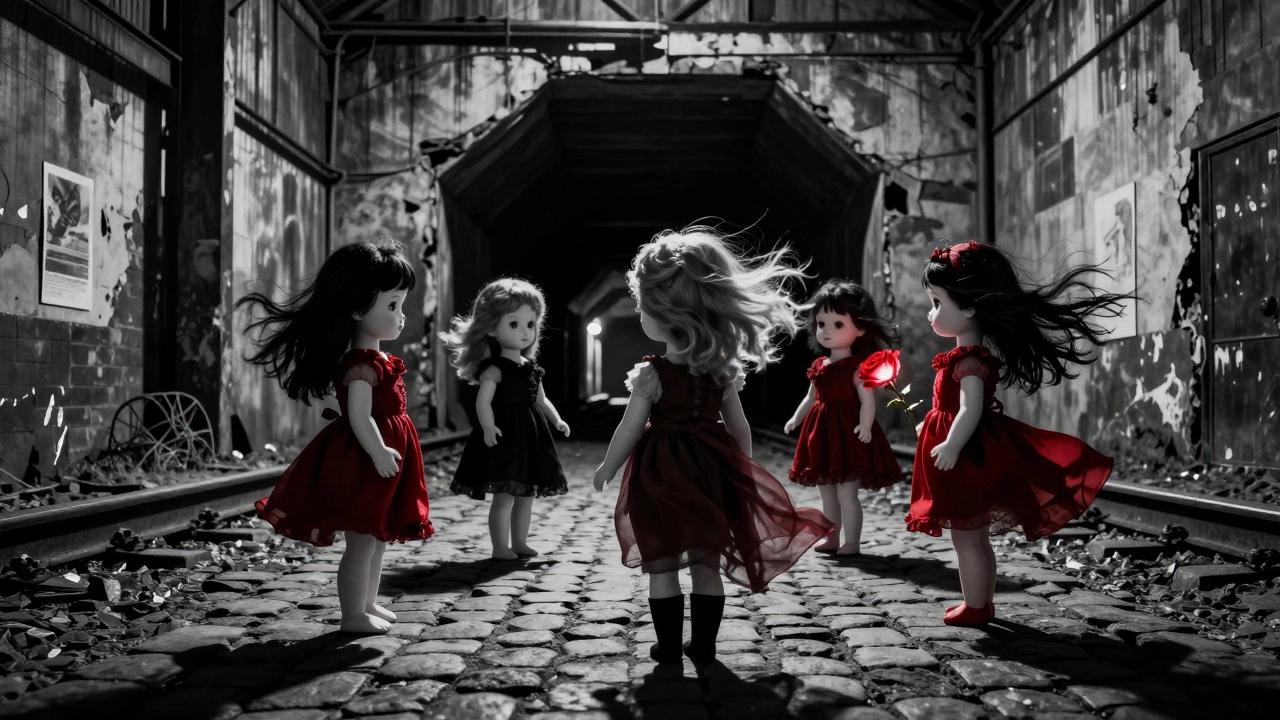
If you want to find them, go to Place Grenette after 8 p.m. Walk toward the river. Look for the streetlamp that flickers just a little too slowly. That’s where the first one usually stands. The others follow the wind’s path-toward the market, then the bridge, then the tunnel under the train tracks. There are usually five to seven at a time. Always an odd number.
Is This Like Escort Girls in London?
People keep asking. Is this the same as escort girls in london? The answer is no-and yes. In London, human companionship is bought and sold. In Grenoble, beauty is offered without expectation. One is transactional. The other is meditative. But both tap into the same human need: to be seen, even if just for a moment, without judgment. In London, you pay for a night. In Grenoble, you pay nothing-and still get something deeper.
What to Bring
- A warm coat-the nights drop below freezing, even in the city center.
- A camera, but don’t use flash. The dolls react to light. It changes their expression.
- Patience. You might wait 20 minutes. You might see three dolls. You might see one turn toward you.
- A notebook. Many people write letters they never send. Some leave them in the box.
When to Go
The season runs from late November to early March. The best nights are clear, windless ones-when the dolls stand perfectly still, and the silence feels heavy. But the most powerful moments come on stormy nights, when the wind howls and the dolls sway like they’re trying to hold on. That’s when the crowd grows quietest. That’s when you feel it most.
Why It Matters
This isn’t just a spectacle. It’s a mirror. In a world where everything is monetized, where even loneliness has a subscription model, Grenoble’s dolls offer something rare: presence without purpose. They don’t sell you anything. They don’t ask for your number. They don’t need your approval. They just exist. And in that, they give you permission to exist too.
Some say it’s a protest. Others say it’s therapy. A few call it magic. Whatever it is, it’s working. Attendance is up 40% this year. The city is considering making it permanent. Meanwhile, the dolls keep turning their heads. The wind keeps blowing. And people? They keep coming back.
What Happens After?
At the end of the season, the dolls are dismantled. Their parts are stored in a climate-controlled warehouse near the old hospital. Some say they’re reused. Others say they’re buried in the forest outside the city, like ancient ritual objects. No one knows for sure. The artists never talk about it. But every spring, a new set appears-different faces, different clothes, different stories. The only constant? The breeze.
If you’ve ever felt invisible in a crowded room, you’ll understand why this matters. If you’ve ever walked past someone and wished you could say something, but didn’t-you’ll feel it here too. You don’t need to understand it. You just need to be there.
And if you ever find yourself in London, wondering where to find real connection, maybe skip the apps. Maybe just walk down a quiet street at night. Look for the light. Look for the stillness. You might not find an escort girl in north london-but you might find something better. Something that doesn’t need to be bought.
Are the escort dolls in Grenoble real people?
No, they are not real people. They are highly detailed, handmade mannequins created by local artists. They are designed to look lifelike but are entirely inanimate. No humans are involved in the displays.
When can I see the dolls in Grenoble?
The dolls appear seasonally, from late November to early March. They are installed at dusk and removed by 6 a.m. each day. Exact locations change every three days and are not publicly advertised.
Can I touch or take the dolls home?
No. Touching, moving, or removing any doll is strictly prohibited. The project is protected by city ordinance, and violations carry fines. The dolls are public art, not property.
Why are there no photos of the dolls on social media?
The organizers deliberately avoid social media promotion to keep the experience personal and uncommercialized. While photos exist online, they are mostly taken by visitors and shared without official endorsement. The city does not maintain any public gallery or account.
Is this project legal?
Yes. The project is officially sanctioned by the City of Grenoble as public art under the cultural initiative "Espace Libre." It complies with all French regulations regarding public installations, safety, and artistic expression.