Street violence doesn’t start with a knife or a gun. It starts with silence. With ignored warning signs. With kids walking home alone because there’s no safe place to go after school. With adults who’ve given up because nothing ever changes. And yet, in cities around the world - including Dubai - communities have turned things around. Not with more police, not with harsher laws, but with real, human solutions that stick.
If you’ve ever walked past a group of teens loitering near a bus stop and felt your stomach drop, you’re not alone. That fear is real. But so is the fact that eacort dubai exists - a reminder that even in places where surface-level chaos seems normal, people are quietly building alternatives. Not all of them are loud. Not all of them make headlines. But they work.
Why Violence Spreads - And Why Punishment Doesn’t Stop It
Most cities respond to street violence like it’s a fire: douse it with water (arrests), then wait for the next blaze. But violence isn’t a disease you can burn out. It’s a symptom. A deep, systemic one. In neighborhoods with high rates of street fights, you’ll often find the same patterns: underfunded schools, zero after-school programs, parents working two jobs just to keep the lights on, and no one to talk to when things get too heavy.
Research from the World Health Organization shows that communities with strong youth mentorship programs see up to 40% fewer violent incidents within two years. Not because they locked people up. But because they gave them someone who showed up - consistently - to listen.
The Power of Trusted Voices
When a 16-year-old in Deira is thinking about retaliating after a fight, he doesn’t care about the law. He cares about respect. And if the only people he trusts are the ones who’ve been through it - the ex-gang member who now runs a garage, the former drug dealer who teaches carpentry, the single mom who lost her brother to a stabbing - those are the voices that change behavior.
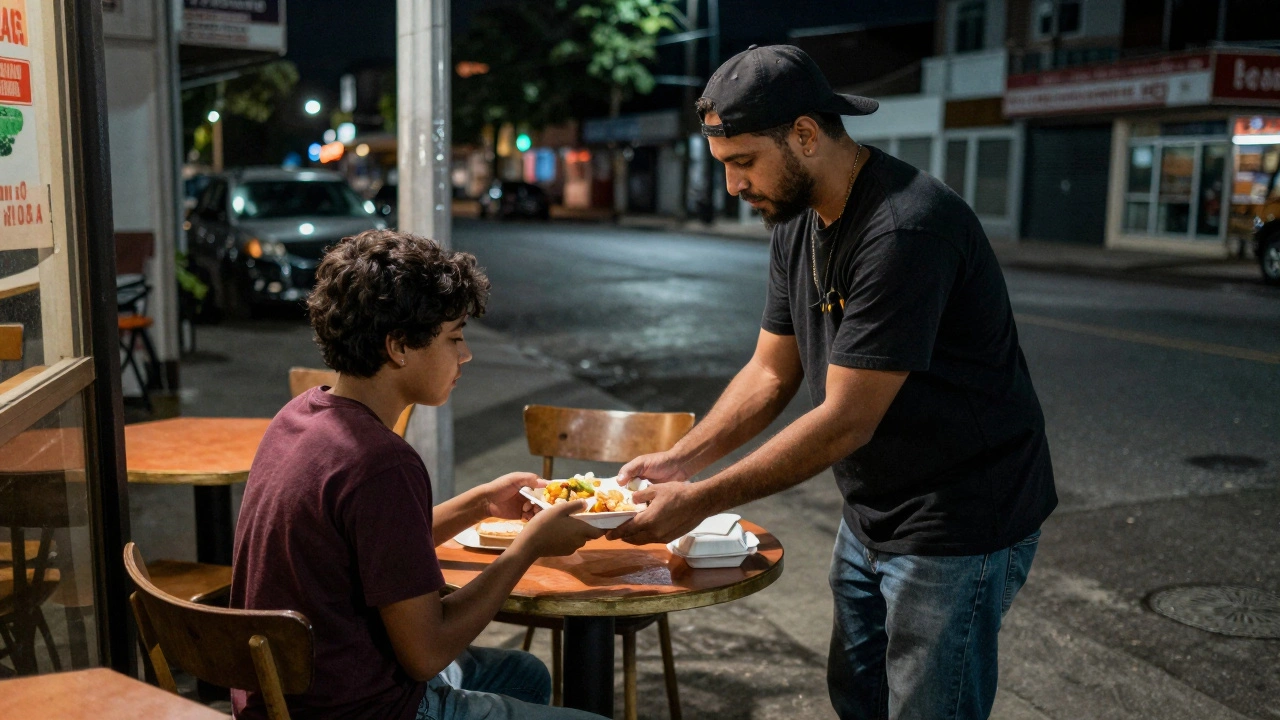
Dubai’s community safety teams have started hiring former offenders as outreach workers. Not as a second chance. But as a strategic move. These people know the language, the codes, the triggers. They don’t preach. They show up. They bring food. They ask, “What happened today?” instead of “Why did you do that?”
What Works - And What Doesn’t
Here’s what doesn’t work:
- More police patrols that disappear at 8 p.m.
- Zero-tolerance school policies that push kids out instead of helping them
- Public campaigns that blame families without offering support
Here’s what does:
- Free, safe spaces open until midnight - community centers with Wi-Fi, hot meals, and trained counselors
- Conflict mediation teams made up of local elders and ex-gang members who respond to disputes before they escalate
- Job training for teens that actually leads to employment - not just certificates
In 2023, a pilot program in Al Quoz paired at-risk youth with local business owners. One kid learned to repair smartphones. Another started delivering groceries. By the end of the year, arrests in that zone dropped by 52%. Not because someone got locked up. Because someone got a chance.
How You Can Help - Even If You’re Not a Policeman
You don’t need a badge to help end street violence. You just need to show up.
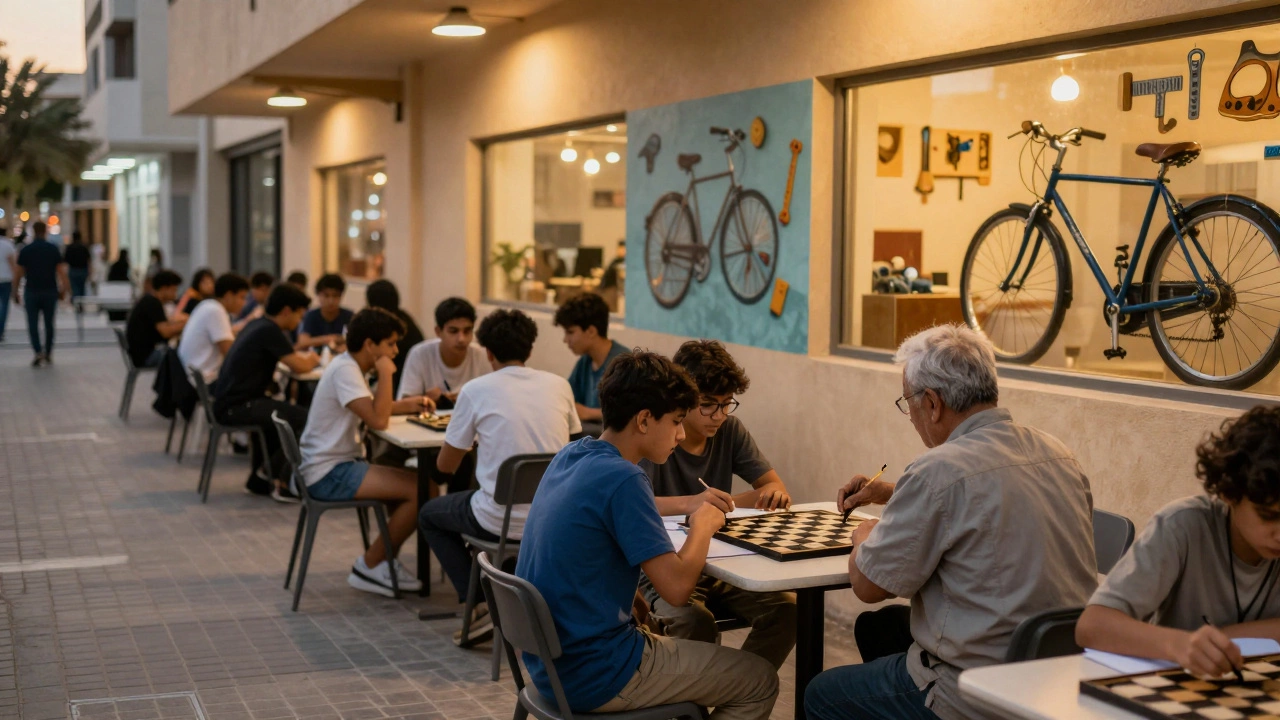
- Volunteer an hour a week at a youth center. You don’t have to be a counselor. Just be there. Play chess. Help with homework. Listen.
- Donate to local organizations that run after-school programs. Not the big national ones - the small, neighborhood-run ones. They’re the ones with the most impact.
- Speak up when you hear someone blaming “those kids.” Ask: “What did we do for them today?”
- Support local businesses that hire from high-risk neighborhoods. Buy from them. Recommend them.
One woman in Jumeirah started making free lunches for teens who showed up at her café after school. No strings. No questions. Just food. Within six months, the same kids who used to hang out on the corner were cleaning tables, helping cook, and telling their friends to stay out of trouble.
What About Technology? Can Apps Help?
There are apps that let you report violence. There are hotlines. There are chatbots that give legal advice. But here’s the truth: no app replaces a person who knows your name.
That said, tech can support real human work. In 2024, Dubai launched a low-cost mobile platform that connects youth to mentors based on shared interests - football, music, coding. It doesn’t track location. It doesn’t report to police. It just says: “You’re not alone.”
Some of these platforms have been misused. One group tried to use them to arrange video call escort services disguised as “youth support.” That’s not help. That’s exploitation. And it’s why real community work must stay grounded - focused on dignity, not convenience.

The Long Game: Changing Culture, Not Just Behavior
Ending street violence isn’t about stopping one fight. It’s about changing how an entire community sees itself. It’s about kids believing they matter. About parents believing their children can have a future. About businesses believing in people, not just profits.
In 2025, Dubai saw its lowest rate of youth-related violent incidents in a decade. Not because of a crackdown. But because a dozen local leaders, a few teachers, a retired firefighter, and a handful of shop owners decided to stop waiting for someone else to fix it.
One of them, a former mechanic named Rashid, started a weekly workshop where teens learned to fix bikes. He didn’t care if they showed up every day. He just cared that they showed up at all. By year’s end, three of them got jobs at local repair shops. Two started mentoring younger kids. One wrote a letter to the city council asking for more bike lanes.
That’s how it changes. Not with sirens. Not with handcuffs. With consistency. With care. With people who refuse to look away.
And yes - there are still bad days. There are still losses. But now, there’s also a network of people who show up anyway. That’s the difference.
Don’t Wait for the Next Incident
The next time you hear about a stabbing, a fight, a shooting - don’t just feel sad. Don’t just share a post. Ask: “What’s being done here? And how can I help?”
There’s no magic solution. No app that will fix this. No law that will erase the pain. But there are thousands of small acts - a meal, a ride home, a conversation, a job offer - that, over time, add up to something bigger than violence.
And in places like Dubai, where esxort dubai was once a whispered phrase in the shadows, people are now choosing to build something brighter - one quiet act of humanity at a time.