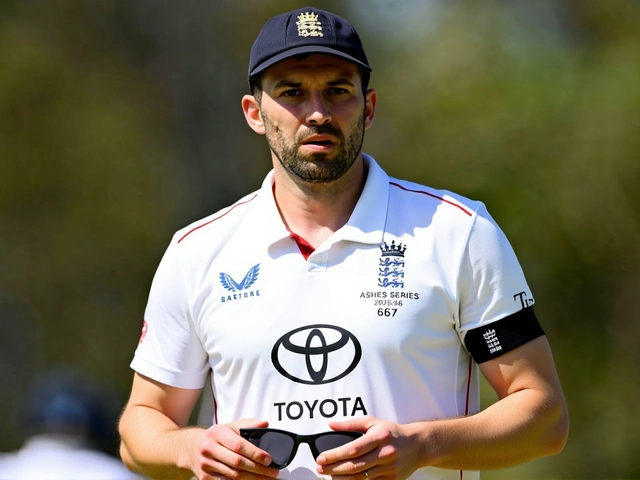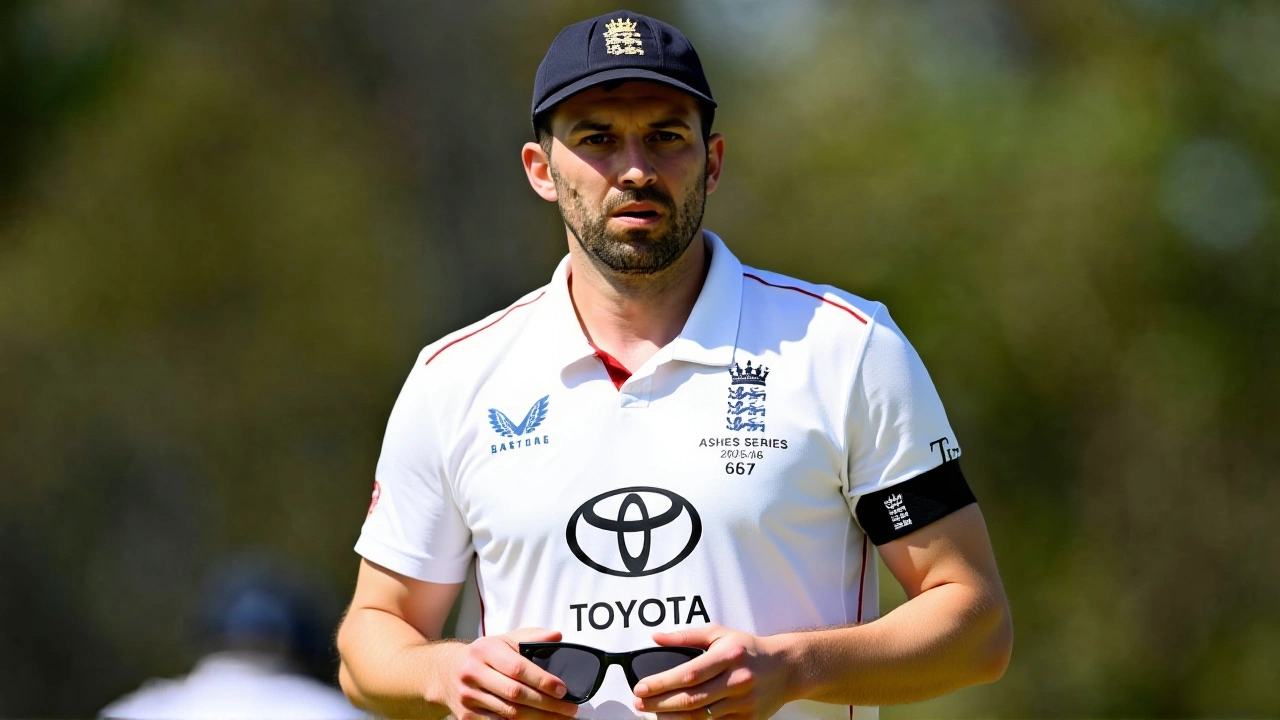
It’s over. The dream is dead. Australia have dismantled England with a ruthless 4-1 victory in the 2025/26 Men's Ashes seriesSydney, leaving English cricket to pick up the pieces of what many are calling a catastrophic tour.
The final Test in Sydney wasn’t just a match; it was an execution. With the urn already effectively out of reach after a crushing third Test defeat that saw Australia go 3-0 up, England’s remaining two matches became little more than formalities. The official confirmation from the England and Wales Cricket Board (ECB) states plainly: "The 2025/26 Men's Ashes series is complete, with Australia completing a 4-1 victory with a win in the final Test in Sydney." No silver linings. No moral victories. Just a stark scoreboard that highlights a massive failure on home soil for the visitors.
The Death of Bazball?
Here’s the thing that has everyone talking – and arguing. Is this the end of "Bazball"? That aggressive, high-risk, high-reward philosophy championed by former captain Ben Stokes and coach Brendon McCullum seemed to be working wonders back home. But against the disciplined, relentless Australian attack, it looked fragile. Oddly enough, the backlash has been swift. On social media and sports panels, the phrase "Have we witnessed the death of Bazball?" is trending heavily.
In a recent analysis video titled "'It's just rubbish': Unpacking England's Ashes disaster," commentators Crash Craddock and Dan Cherny, joined by special guest Bharat Sundaresan, didn't mince words. They dissected the tactical errors and the psychological collapse of the squad. The consensus? You can’t play reckless cricket against a team that doesn’t make mistakes. Australia made very few.
A Series That Slipped Away
Turns out, this wasn’t a sudden collapse. It was a slow bleed. Early in the series, there were whispers of hope. But as the weeks progressed, the narrative shifted from "close contest" to "inevitable defeat." A key moment came when analysts noted that "it still looks likely that Australia will go 3-0 up tomorrow," a prediction that materialized with brutal efficiency. Once that 3-0 lead was secured, the pressure on England became suffocating. Every dropped catch, every edge behind the stumps, felt like a nail in the coffin.
Former England captain Nasser Hussain reacted visibly during Sky Sports News broadcasts, his face reflecting the growing dread among fans. He pointed out that while individual brilliance from players like Joe Root or Harry Brook existed, it was never enough to counter Australia’s collective dominance. The bowlers had no answer for Pat Cummins’ leadership, and the batters crumbled under the bounce and pace.

What Went Wrong?
Let’s look at the details. It wasn’t just bad luck. It was a structural failure. England’s batting lineup lacked depth. When the top order failed – which happened repeatedly – the middle order couldn’t stabilize the innings. Meanwhile, Australia’s spinners, particularly in the later Tests, exploited the turning tracks in Sydney and Melbourne with surgical precision.
There’s also the question of selection. Did ECB stick with the same group for too long? Did they fail to adapt their strategy to subcontinental-style conditions in Australia? These are questions that will haunt boardroom meetings for months. The lack of flexibility was glaring. While Australia rotated players based on fitness and form, England seemed stuck in a rigid system that refused to bend, until it broke.
The Aftermath and Reckoning
Now comes the hard part. The cleanup. Fans are angry. Social media is ablaze with criticism directed at management, coaching staff, and even the players. One fan tweet read simply: "We went down there to entertain, not to compete. We failed both." It’s harsh, but it captures the mood.
The ECB faces immense pressure to explain this disaster. Will there be changes in leadership? A return to traditional Test cricket values? Or a doubling down on the aggressive approach despite its clear limitations abroad? The answers aren’t ready yet. But one thing is certain: the status quo is untenable. A 4-1 whitewash is unacceptable for any nation claiming to be a top-tier cricketing power.

Looking Ahead
So, what’s next? England need to regroup quickly. The upcoming schedule includes crucial series against India and New Zealand. If they want to salvage any pride, they’ll need to show resilience. But first, they need to understand why this happened. Was it mental fragility? Tactical naivety? Or simply being outplayed by a superior side?
For now, Australia celebrates. They’ve retained the Ashes with style, proving once again why they remain the benchmark in Test cricket. For England, it’s a long winter ahead. Not because of the weather, but because of the soul-searching that lies ahead.
Frequently Asked Questions
What was the final score of the 2025/26 Ashes?
Australia won the series 4-1. They secured the victory with a win in the final Test match played in Sydney, completing a dominant performance across the five-match series.
Is 'Bazball' considered a failed strategy after this tour?
Many analysts and fans believe so. The aggressive, risk-heavy approach known as 'Bazball' struggled significantly against Australia's disciplined bowling attack. Commentators like Crash Craddock and Dan Cherny have questioned its viability in overseas conditions, suggesting a strategic rethink is necessary.
Who were the key figures involved in the post-series analysis?
Key voices included former England captain Nasser Hussain, who provided reaction on Sky Sports News, and analysts Crash Craddock, Dan Cherny, and Bharat Sundaresan, who hosted a detailed discussion unpacking the team's tactical failures and the potential end of the Bazball era.
When did Australia take an unassailable lead in the series?
Australia reached an unassailable 3-0 lead after the third Test. This pivotal moment effectively ended England's hopes of retaining the Ashes, setting the stage for their eventual 4-1 defeat following the final match in Sydney.
What does the ECB plan to do next?
While specific plans haven't been fully detailed, the ECB faces intense scrutiny. Expect internal reviews, potential coaching changes, and a strategic reassessment before their next major tours. The focus will shift to rebuilding confidence and adapting tactics for future overseas challenges.